Best Cheque Bounce Lawyer in Achal-Gadh
Have you given someone a cheque and it bounced? Or did your issued cheque bounce due to account issues? A cheque bounce case may seem small, but it can lead to serious legal trouble. At advocateinjaipur.com, we provide you with the best cheque bounce lawyer in Achal-Gadh to fight your case, protect your rights, and recover your money legally. We also provide advocate service in other city like Best Lawyer In Jaipur High Court.
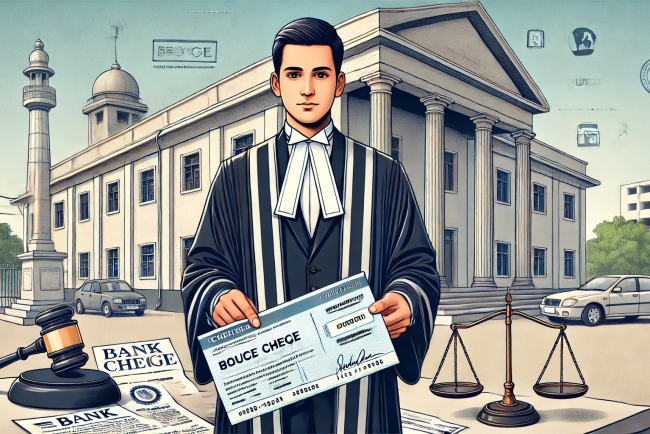
What is Cheque Bounce Law in India?
Cheque bounce happens when a cheque is dishonored by the bank due to reasons like insufficient funds, signature mismatch, or account closure. In India, this is a criminal offence under:
Section 138 of the Negotiable Instruments Act, 1881
This section gives the cheque receiver the right to file a legal case if payment is not made within the given time after the cheque bounces. Jail time up to 2 years or fine (up to double the cheque amount) can be imposed on the defaulter.
Types of Cheque Bounce Cases We Handle
Our expert cheque bounce lawyers in Achal-Gadh deal with all kinds of related matters:
-
Dishonour of cheque due to insufficient funds
-
Cheque given for loan repayment, bounced
-
Stop payment cases due to business disputes
-
Cheque bounce in salary, rent, property payments
-
Signature mismatch or account closed scenarios
-
Defence against false cheque bounce cases
-
Negotiation and settlement outside court
-
Filing civil suit for recovery of cheque amount
Whether you are the payee (receiver) or the drawer (issuer), we support your legal position professionally.
Indian Penal Code (IPC) and Cheque Bounce
While cheque bounce is mainly covered under the Negotiable Instruments Act, Indian Penal Code (IPC) can also apply in certain fraud-related cases:
-
IPC Section 420 – Cheating and dishonestly inducing delivery of property
-
IPC Section 406 – Criminal breach of trust
-
IPC Section 417 – Punishment for cheating
-
IPC Section 34/120B – Criminal conspiracy or joint criminal intention
If cheque bounce is part of a larger fraud, we handle those criminal aspects too.
Required Documents for Cheque Bounce Cases
To file or defend a cheque bounce case, you need the following:
The original bounced cheque
Bank memo stating reason for dishonour
Legal demand notice copy
Courier/postal receipt of sent notice
Account statement (optional)
Any related agreement, invoice, or proof of transaction
Identity proof and address proof of parties involved
Our team helps prepare and file all documents professionally.
Legal Certification and Expertise Required
Bar Council of India Certified Lawyers
Expert in NI Act, IPC, and Criminal Procedure
10+ years of cheque bounce case experience
Deep knowledge of court procedures, timelines, and appeals
Strong negotiators for fast settlements
24/7 availability for urgent cheque matters
Our lawyers know how to win such cases with strong arguments and legal strategy.
Case Study – Cheque Bounce Win in Achal-Gadh
Issue: Cheque of ?3.5 lakh bounced after product delivery
What We Did: Sent legal notice, filed case under Section 138 NI Act
Result: Opposite party paid full amount with interest after first court hearing
Client Feedback: “They handled everything quickly and got my money back. Very professional and responsive.”
Frequently Asked Questions (FAQs)
Q1. How much time does a cheque bounce case take?
Ans: Generally, 6–12 months depending on court schedule and if the opposite party is ready to settle.
Q2. Can I send a legal notice myself?
Ans: Legally yes, but it’s always better to get it drafted by a lawyer to avoid errors and maintain court format.
Q3. What if I issued a cheque by mistake?
Ans: You may defend the case by proving absence of liability or mistake in issuance. Our lawyers can help.
Q4. Is cheque bounce a civil or criminal case?
Ans: It's primarily a criminal case under Section 138, but a civil suit for recovery can also be filed separately.
Q5. What happens if the accused doesn’t appear in court?
Ans: A bailable or non-bailable warrant can be issued depending on the stage of the case.